
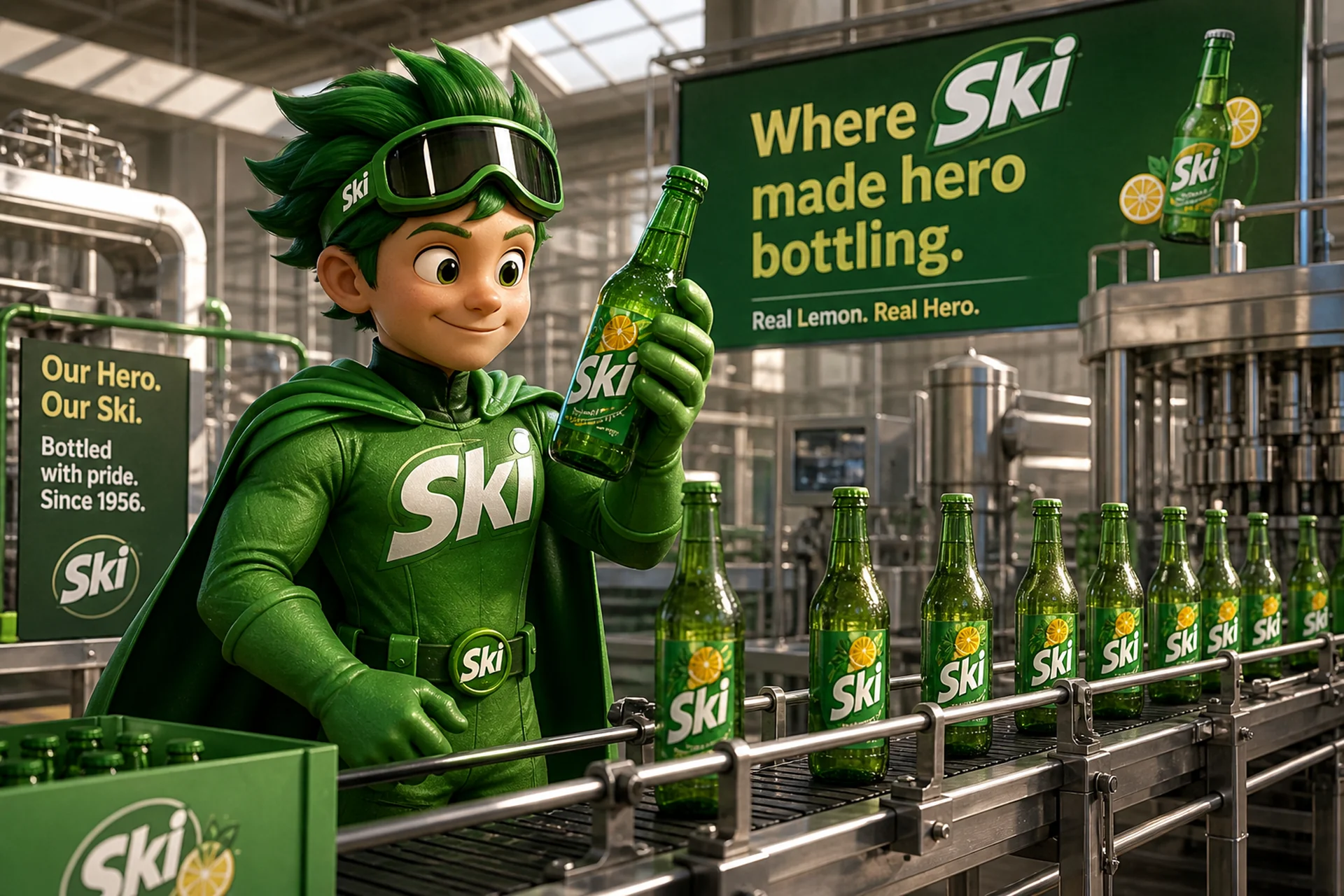
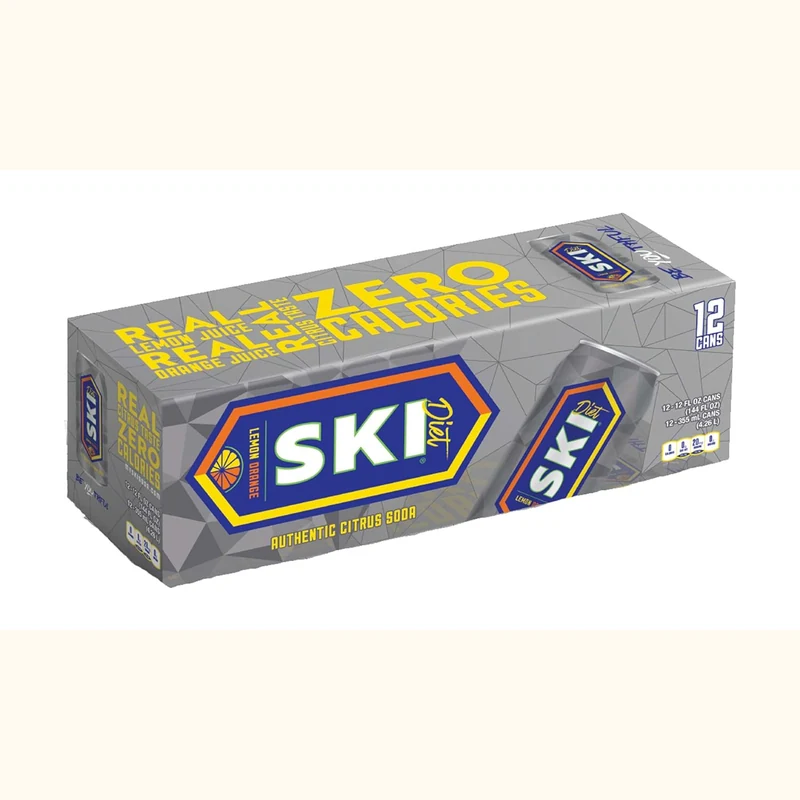
Ski Soda's production story starts with the Double Cola Company — a Chattanooga-born beverage family that launched Ski in 1956 as a citrus counterpoint to cola-heavy portfolios. Unlike brands invented in test kitchens far from bottling lines, Ski grew inside a company that already understood franchise bottlers, glass deposit systems, and Southeastern grocery politics.
Today 'where Ski is made' is plural: core Double Cola operations in Tennessee plus regional partners who bottle under franchise agreements. Formula ownership stays centralized; water source, sweetener choice, and packaging format can vary by plant — which explains why collectors swear by specific glass runs.
Chattanooga heritage
Double Cola's Chattanooga roots anchor Ski's identity. The Southeast market rewards brands that feel local even when distribution crosses state lines. Ski benefited from Double Cola's existing cooler relationships — stores already stocking Double-Cola and Jumbo brands added Ski without reinventing logistics.
1956 launch
1956 placed Ski in post-war American refreshment culture — drive-ins, Little League, and regional bottlers competing with national giants. Ski's lemon-orange swirl and caffeine load differentiated it from lemon-lime sodas that skipped stimulants. Real orange and lemon juice claims were marketing truth and recipe backbone.
Glass returnables
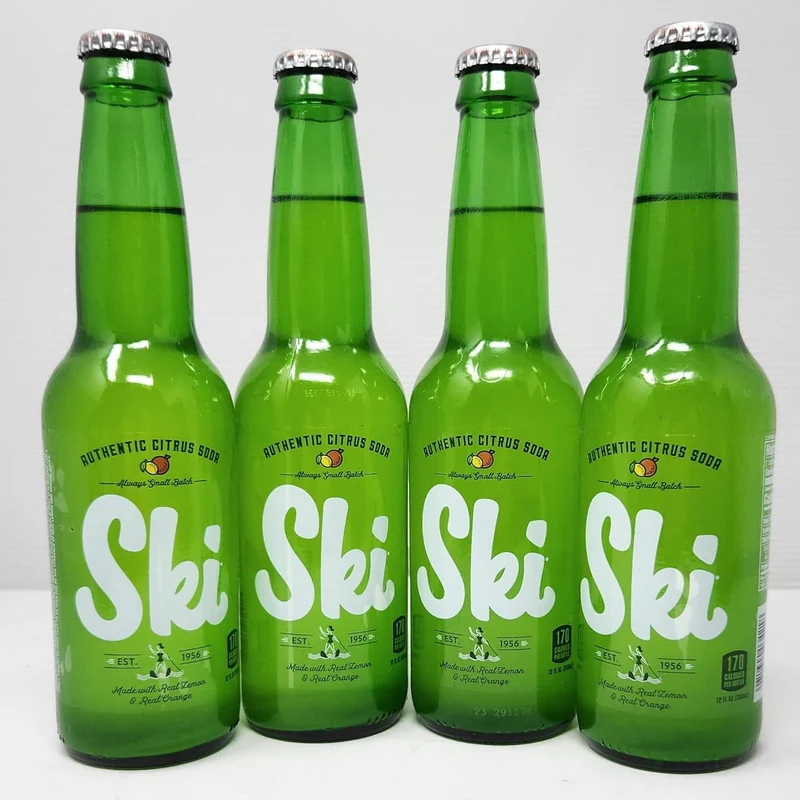
Returnable glass bottles persist in loyal markets — deposit crates, cane sugar runs, fuller mouthfeel. Plants that still wash and refill bottles maintain equipment rare in PET-dominated regions. If your Ski tastes 'richer,' check whether glass and cane sugar are on the label.
Franchise bottlers
Franchise partners extend reach without duplicating every plant in-house. Each partner follows formula specs while sourcing local water and sweetener contracts. Caps and neck codes help enthusiasts identify production location — forum threads map codes to cities.
Modern PET and cans
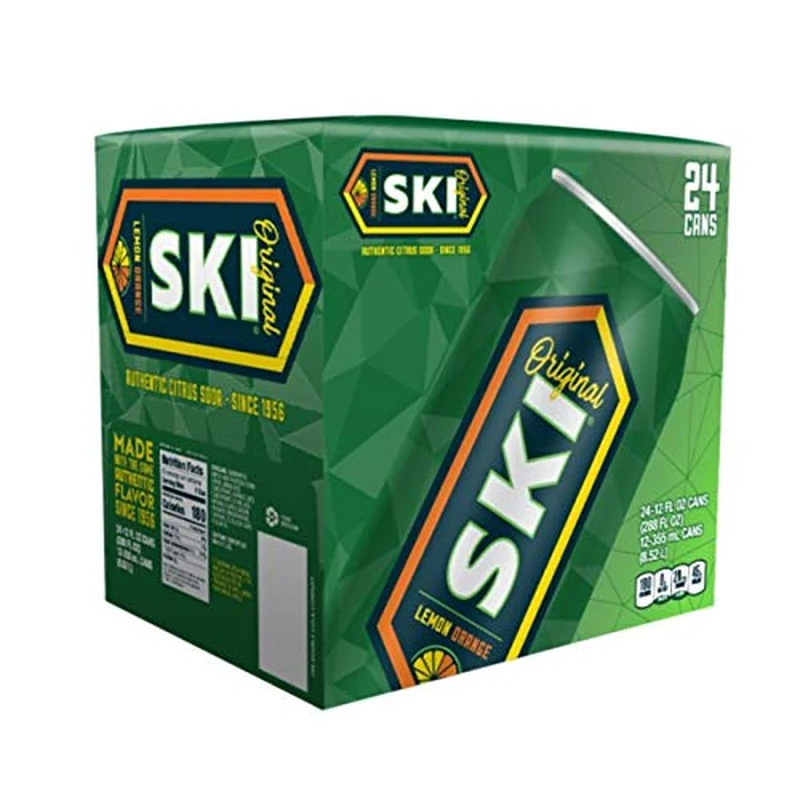
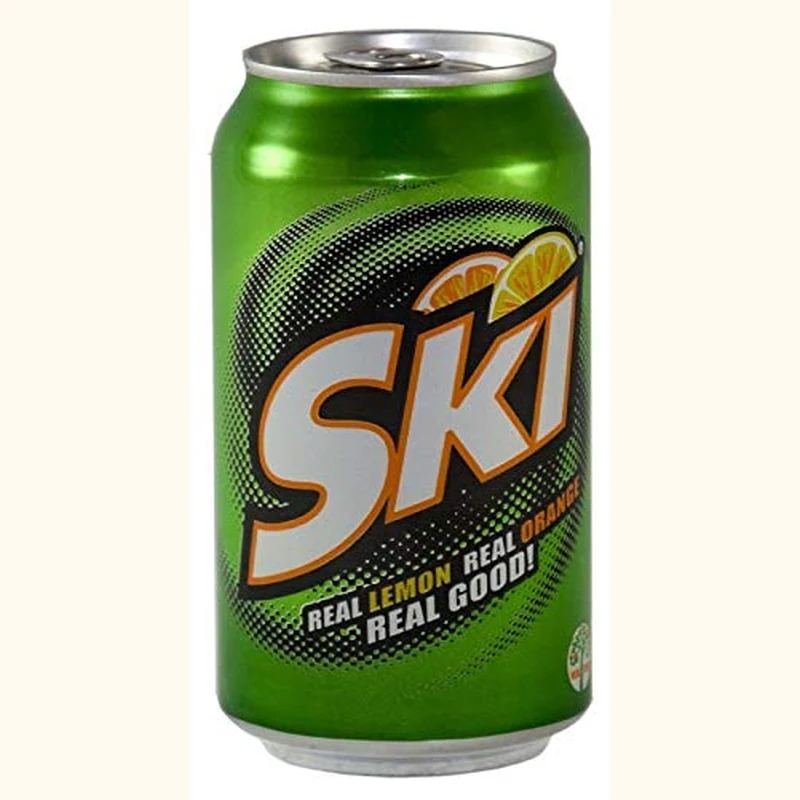
12 oz cans and 20 oz PET bottles dominate interstate travel — lighter shipping, no deposit hassle. Most PET runs use high-fructose corn syrup unless labeled otherwise; glass cane sugar remains the collector's chase format.
Quality and consistency
Double Cola quality teams aim for sensory consistency across plants, but water mineral profiles shift taste subtly — not wrong, just regional. Blind tests at fan meetups sometimes pick favorites by bottler, not flavor line.
Not a craft microbrand
Ski is regional heritage soda, not a nano brewery experiment — scale brings availability but also corn-syrup economics on most runs. Transparency about that split builds trust with drinkers who want both nostalgia and honest ingredient talk.
Explore further
Taste the formats tied to bottling on our flavors page, hunt bottles locally with near-me tips, and read brand history for Double Cola context beyond production lines.
Serving and storage
Chill Ski upright for at least two hours before opening — citrus oils and carbonation stay dissolved and pours behave predictably. Once opened, reseal tightly and refrigerate; fizz drops within 48 hours on diet and caffeine-free lines faster than full sugar. Avoid freezing full bottles; expansion cracks glass and mutes flavor even if the container survives.
For gatherings, stage a tub of salted ice water instead of loose cubes that water down sweet citrus. Provide openers for pry-off glass and twist-cap PET alike. Return deposit bottles when local rules allow — crates make carry-home easier for guests trying a second Ski format the next day.
Where to explore next
Compare the full Ski flavor list, read caffeine notes before serving kids at night, and browse community reviews for bottler tips. Heritage fans should visit our bottling page for Tennessee roots and glass return programs.
Jordan Ellis has covered regional American sodas for fourteen years — Southeast bottlers, caffeine labels, and the convenience-store coolers where cult brands hide in plain sight.