
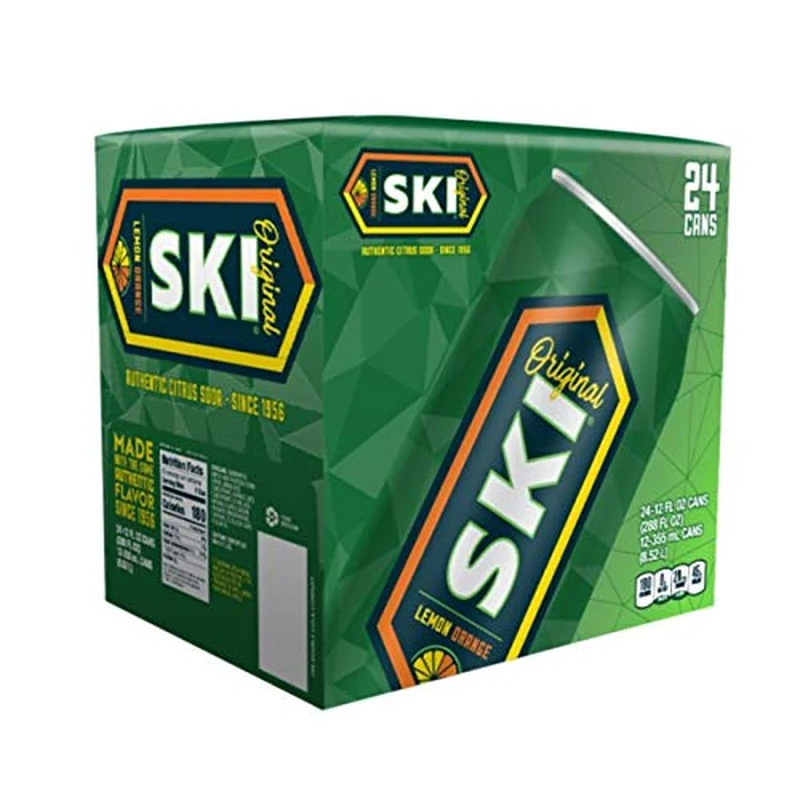
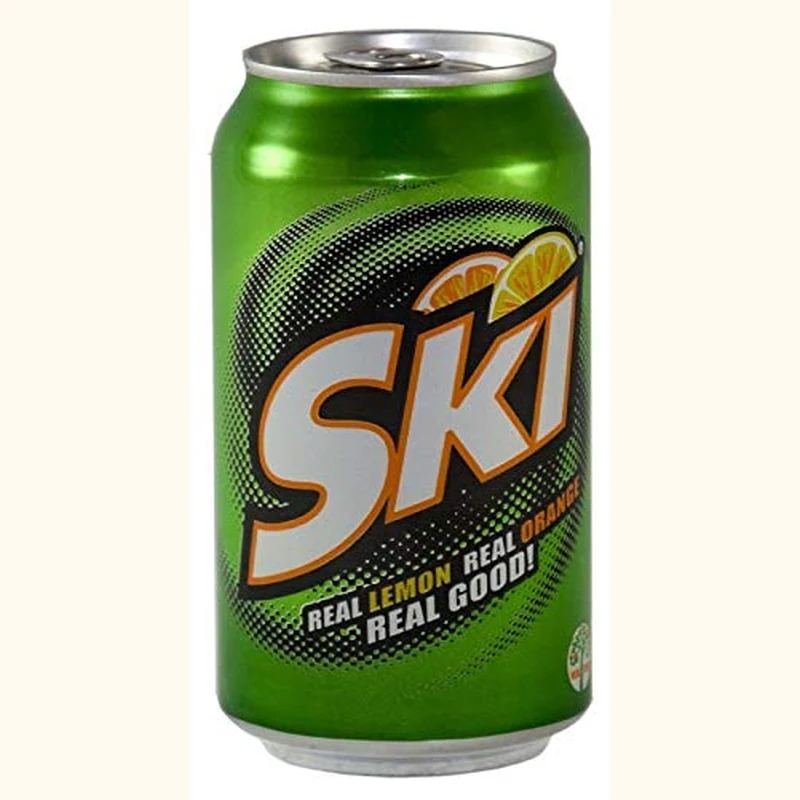
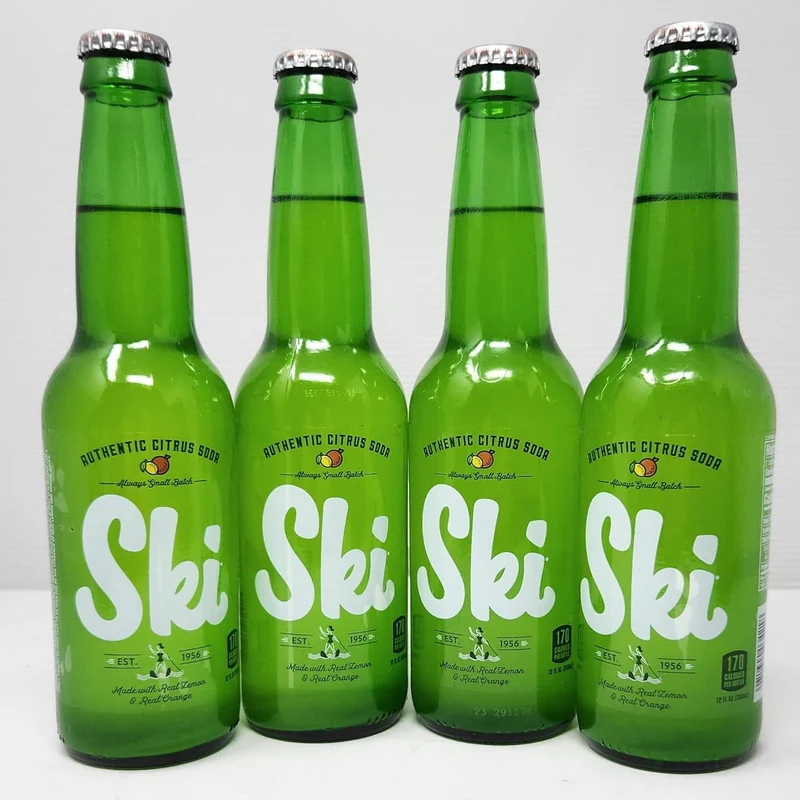
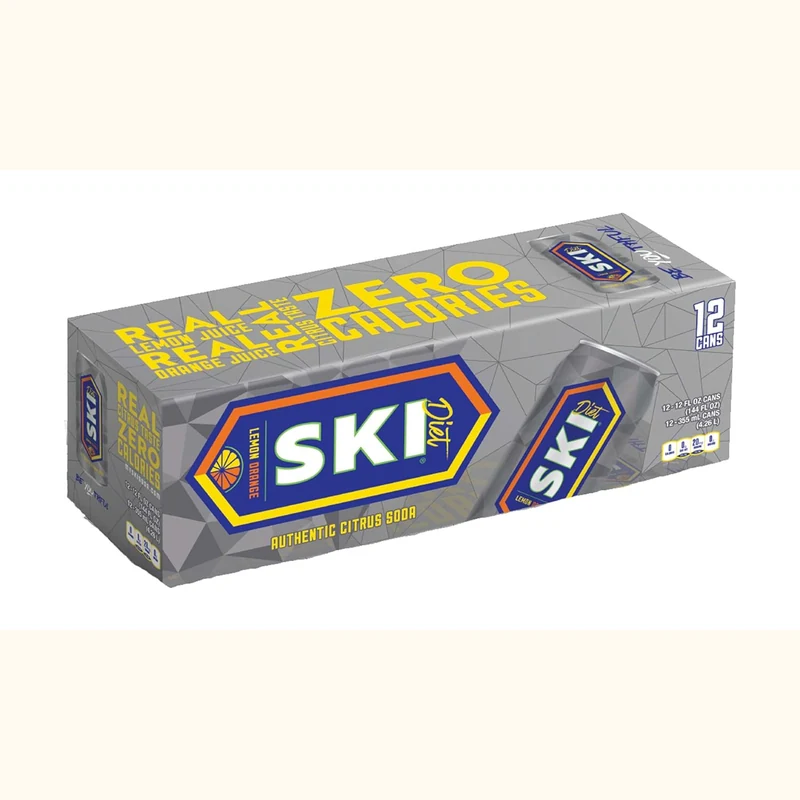
Ski Soda built its reputation on sweet citrus energy — not coffee-level jolt, but more buzz than typical lemon-lime sodas. Original and InfraRED carry roughly 69 mg of caffeine per 12 oz, a figure fans quote like scripture at tailgates. That places Ski above most colas per ounce and in the conversation with Mountain Dew, though exact numbers always belong on your bottle's nutrition panel, not a blog footnote.
Caffeine matters for parents, nurses, and office managers stocking coolers. Ski offers caffeine-free and caffeine-free diet lines precisely because the original hits harder than Sprite or 7UP. This guide maps stimulant load across formats so you can plan dinner pours, school events, and road-trip coolers without guesswork.
Original and InfraRED
Original 12 oz cans and 20 oz bottles are the reference point — ~69 mg per 12 oz serving. Scale up for 20 oz math when you drink the whole bottle: proportionally more stimulant unless you share. InfraRED matches original caffeine philosophy; cherry flavor does not remove the kick.
Compare to an 8 oz coffee at 80–100 mg and Ski feels milder per serving but easier to drink fast — chugging a 20 oz on an empty stomach will register. Pace pours like you would iced tea with caffeine added.
Caffeine-free options
Caffeine-Free Ski removes stimulants while keeping sweet citrus body. Ingredient panels should list no caffeine; if you see tea, guarana, or cola nut, treat it as an anomaly batch. Caffeine-free is the default for kids' birthday tables when parents still want Ski branding.
Caffeine-free Diet Ski stacks stimulant removal with low calories — the gentlest option in the portfolio for evening meals and caffeine-sensitive adults.
Diet is not caffeine-free
Diet Ski often still contains caffeine like original — diet refers to calories, not stimulants. Read labels before serving diet to children at night. Pair our diet guide with this page when planning mixed coolers.
Versus other drinks
Cola near 30–40 mg per 12 oz feels softer than Ski. Energy drinks blow past 150 mg — Ski is not in that class despite fan loyalty calling it 'wake-up juice.' Coffee remains king for focused work; Ski fits social sipping and salty snack pairings.
Health framing
We provide label literacy, not medical advice. Consult healthcare providers for pregnancy, heart conditions, or strict caffeine caps. Schools may ban caffeinated sodas entirely — caffeine-free Ski solves branding without breaking nurse office rules.
Label checks
Imported or novelty runs might differ — photograph nutrition facts if you buy outside core Southeast territory. Bottler codes on caps help identify production location when forums debate batch variance.
Planning events
Stock two coolers: caffeinated originals and InfraRED for adults; caffeine-free for kids and evening. Sign cups if needed — red Solo cups hide label colors. Read reviews for how hosts handle mixed crowds at reunions.
Serving and storage
Chill Ski upright for at least two hours before opening — citrus oils and carbonation stay dissolved and pours behave predictably. Once opened, reseal tightly and refrigerate; fizz drops within 48 hours on diet and caffeine-free lines faster than full sugar. Avoid freezing full bottles; expansion cracks glass and mutes flavor even if the container survives.
For gatherings, stage a tub of salted ice water instead of loose cubes that water down sweet citrus. Provide openers for pry-off glass and twist-cap PET alike. Return deposit bottles when local rules allow — crates make carry-home easier for guests trying a second Ski format the next day.
Where to explore next
Compare the full Ski flavor list, read caffeine notes before serving kids at night, and browse community reviews for bottler tips. Heritage fans should visit our bottling page for Tennessee roots and glass return programs.
Jordan Ellis has covered regional American sodas for fourteen years — Southeast bottlers, caffeine labels, and the convenience-store coolers where cult brands hide in plain sight.