
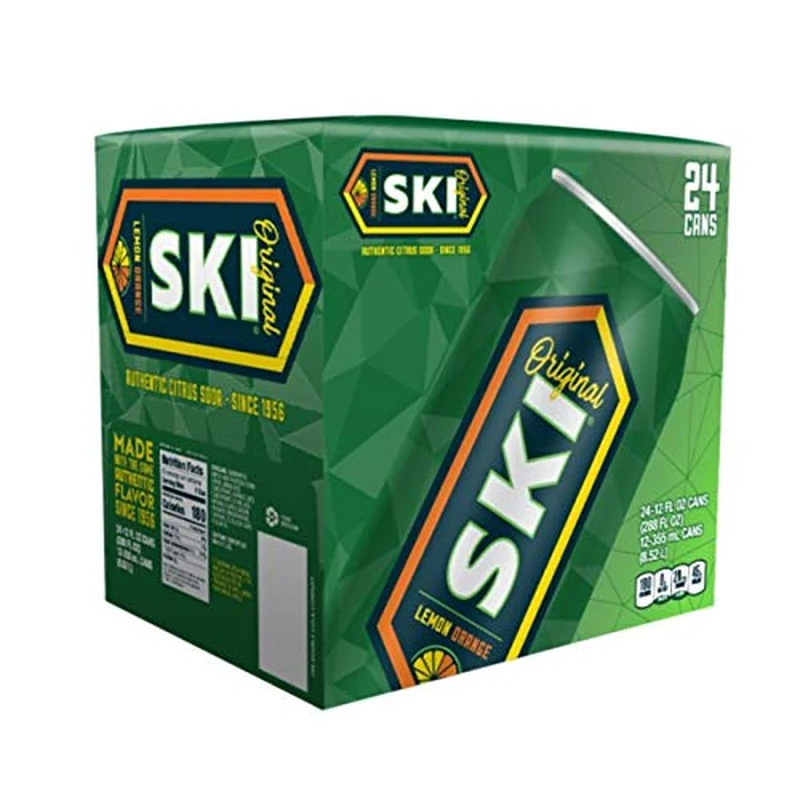
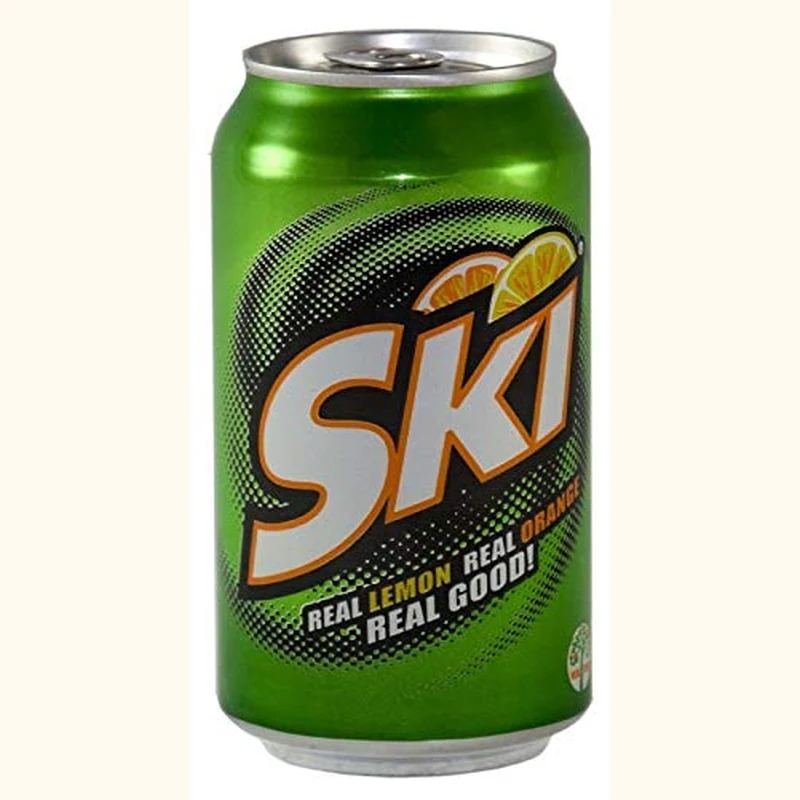
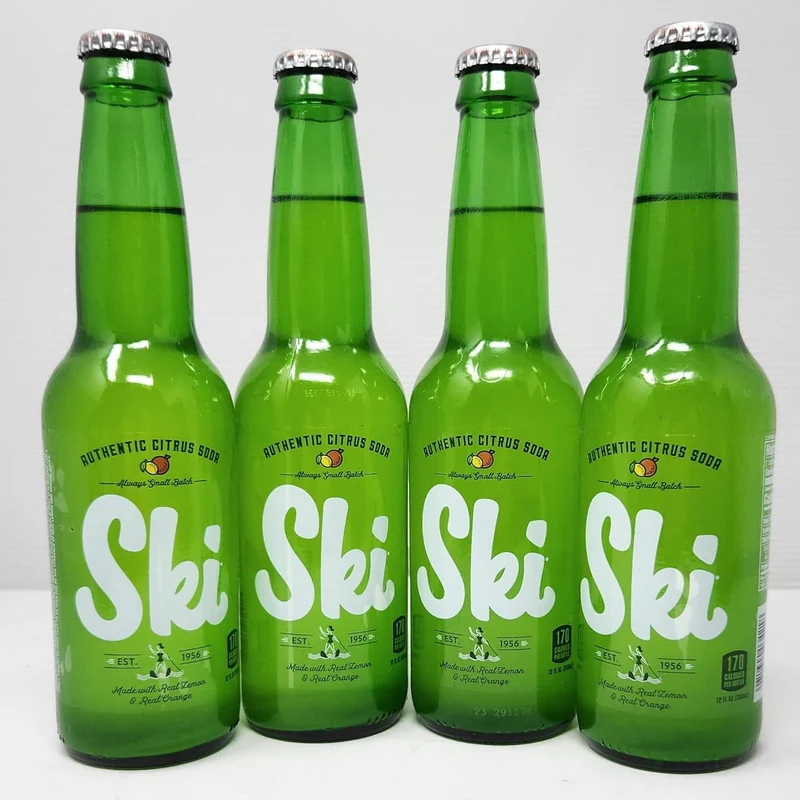
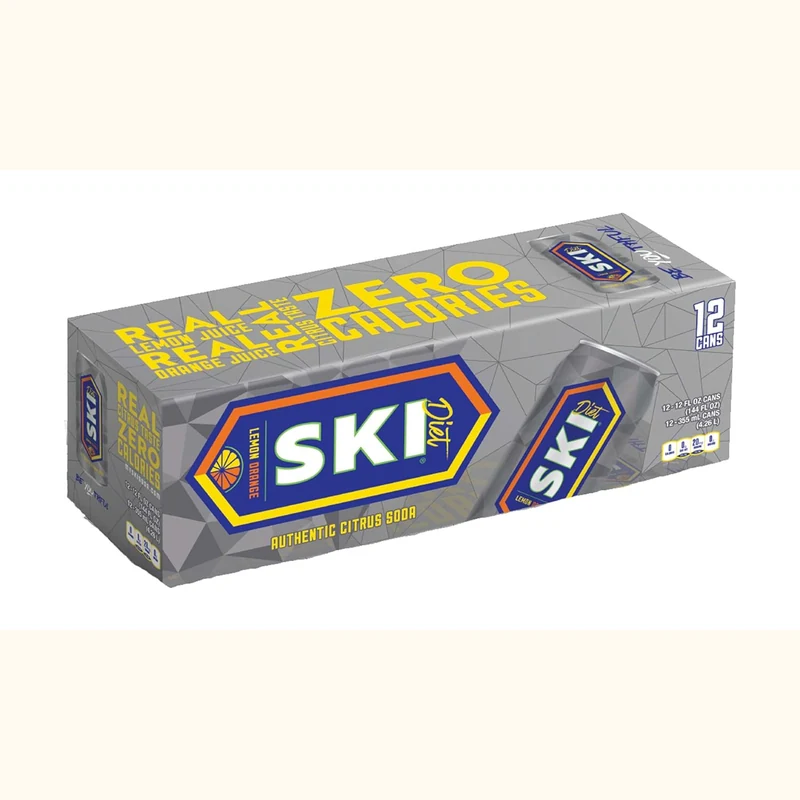
Ski Soda is a regional American success story — not national billboard famous, but deeply embedded in Southeastern memory. Born in 1956 under the Double Cola Company, Ski answered a market gap: a sweet citrus soda with real orange and lemon juice and enough caffeine to feel like afternoon fuel. Decades later it still outsells generic citrus in hometown coolers where loyalty beats advertising spend.
Understanding Ski means understanding Double Cola — a Chattanooga-era beverage company that survived cola wars by nurturing regional identities. Ski became the sunny, green-label counterpart to red-white cola branding, then grew flavor branches like InfraRED cherry and diet lines without abandoning the original swirl.
Double Cola context
Double Cola Company history includes Double-Cola, Jumbo, and franchise bottlers across the South. Ski leveraged existing routes — stores already trusted the parent company could fill coolers and honor deposits. That distribution muscle matters more than any single Super Bowl ad for a regional brand.
Cultural role
Ski marks life events in core states — lake weekends, after-school gas station stops, family reunions where out-of-town relatives request cases. Flavor memory binds generations; grandparents describe bottles from the 1970s with the same enthusiasm teenagers give new InfraRED labels.
Versus national citrus
Mountain Dew comparisons are inevitable — both caffeinated, both citrus-leaning. Ski fans insist on tangier juice notes and sweeter body; Dew fans call Ski syrupy. Neither side is wrong; palates encode childhood. Ski wins on regional authenticity inside its territory; Dew wins on universal shelf space.
Product evolution
InfraRED cherry, diet 20 oz, caffeine-free lines, and glass returnables show a brand adapting without ditching original recipe identity. PET growth tracked American on-the-go drinking; glass stayed for purists and deposit states.
Independent guide
This website is an independent editorial project — not operated by Double Cola Company. We document flavors, caffeine, bottling, and reviews for drinkers researching before they buy. Availability and formulas change; always read live labels.
Community
Collector groups trade bottle photos, cap codes, and tasting notes on social platforms. Ski punches above its weight in nostalgia forums — proof that regional brands can own culture without owning every Walmart endcap.
Reunion organizers sometimes theme tables around Ski colors — green-label original, red InfraRED — without official sponsorship. That organic marketing sustained the brand through decades when national ad spend dwarfed Double Cola budgets.
What's next for readers
Explore the full flavor list, read caffeine facts, plan purchases with near-me guidance, and compare impressions on reviews.
If you are new to regional sodas, pour original Ski cold beside a national citrus can — the side-by-side teaches more than any flavor wheel. Note caffeine, sweetness, and juice aroma, then pick the bottle that matches your tailgate or weekday routine.
Serving and storage
Chill Ski upright for at least two hours before opening — citrus oils and carbonation stay dissolved and pours behave predictably. Once opened, reseal tightly and refrigerate; fizz drops within 48 hours on diet and caffeine-free lines faster than full sugar. Avoid freezing full bottles; expansion cracks glass and mutes flavor even if the container survives.
For gatherings, stage a tub of salted ice water instead of loose cubes that water down sweet citrus. Provide openers for pry-off glass and twist-cap PET alike. Return deposit bottles when local rules allow — crates make carry-home easier for guests trying a second Ski format the next day.
Where to explore next
Compare the full Ski flavor list, read caffeine notes before serving kids at night, and browse community reviews for bottler tips. Heritage fans should visit our bottling page for Tennessee roots and glass return programs.
Jordan Ellis has covered regional American sodas for fourteen years — Southeast bottlers, caffeine labels, and the convenience-store coolers where cult brands hide in plain sight.