
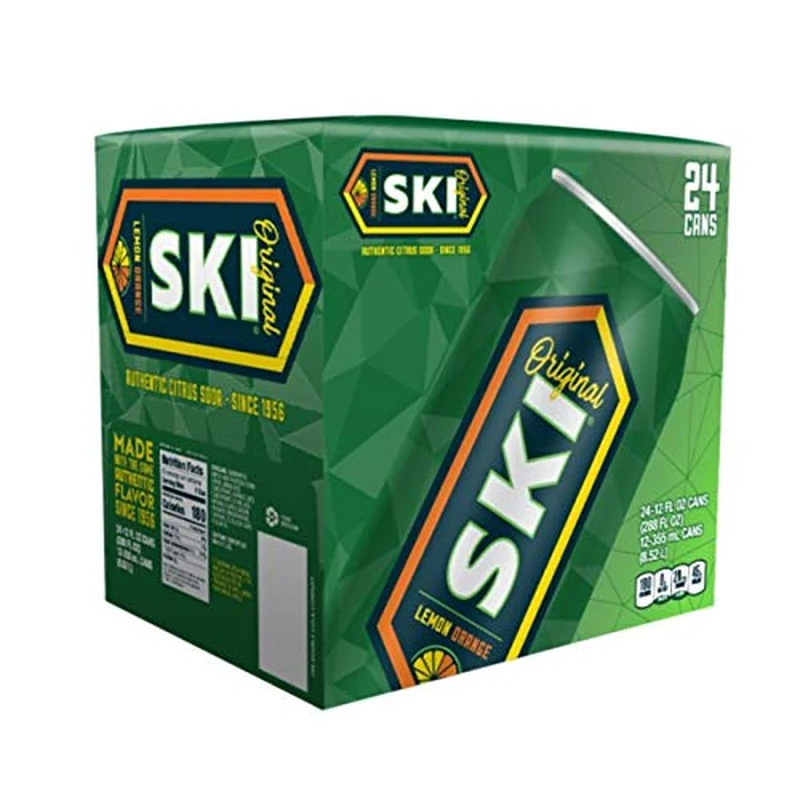
Ski Citrus Soda 24 Cans
A full case of 12 oz cans with real orange and lemon juice — the tailgate default across Tennessee and Kentucky coolers.
Check PriceSki Soda is the Double Cola Company's sweet, highly caffeinated citrus flagship — real orange and lemon juice in a lemon-orange swirl fans call tangier than Mountain Dew. Since 1956 it has filled Tennessee coolers, tailgate tubs, and gas-station fridges across the Southeast.
Original 12 oz cans and 20 oz bottles deliver roughly 69 mg caffeine per 12 oz. Diet Ski trims calories; InfraRED pushes cherry; caffeine-free lines cover late dinners. Returnable glass bottles in loyal markets often use cane sugar — the pour collectors chase.
This guide covers every major format, caffeine facts, bottling heritage, and where to hunt Ski outside its home territory — written by Jordan Ellis for drinkers who want context before they crack a cold bottle.
Whether you compare Ski to Mountain Dew on a road trip or mail-order glass bottles to a new city, start here for label literacy, serving tips, and the Double Cola story behind every lemon-orange pour.
Regional classic
Pour it ice-cold
Explore
Citrus core, cherry InfraRED, diet lines, caffeine guides, and where to find bottles across the Southeast.
Original, diet, InfraRED, caffeine-free, and glass — the full Ski lineup explained.
Explore flavors →Real orange and lemon juice, lemon-orange swirl, and why Ski tastes brighter than generic citrus sodas.
Explore citrus →Ski InfraRED — the cherry-forward red label built on the same caffeinated base as classic Ski.
Explore cherry →Diet Ski at about 10 calories per 20 oz — lighter pours without losing the brand's sweet character.
Explore diet →69 mg per 12 oz on originals, plus caffeine-free options for late dinners and kids' tables.
Explore caffeine →Where Southeastern shoppers find Ski — gas stations, hometown grocers, and regional bottlers.
Explore near me →Best Sellers
Four best-selling Ski soda packs shoppers reach for first — tap Check Price for current sizes, flavors, and delivery options.
A full case of 12 oz cans with real orange and lemon juice — the tailgate default across Tennessee and Kentucky coolers.
Check Price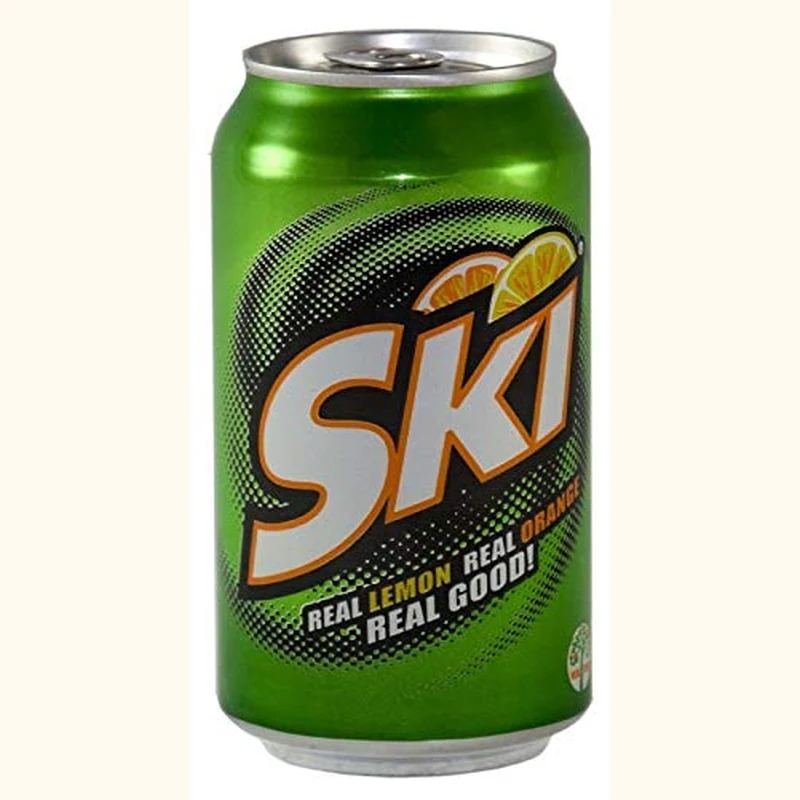
Half-case of original lemon-orange Ski in 12 oz cans — easier to stash when a full 24-count is more than you need.
Check Price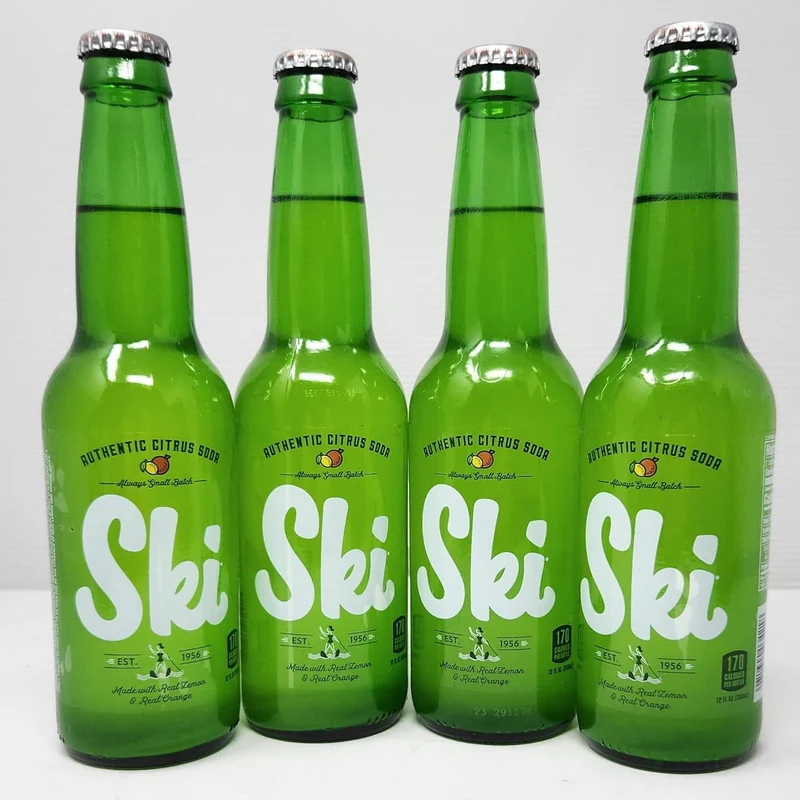
Four 12 oz glass-style bottles with the brand's signature citrus swirl — a compact pour for tastings and small gatherings.
Check Price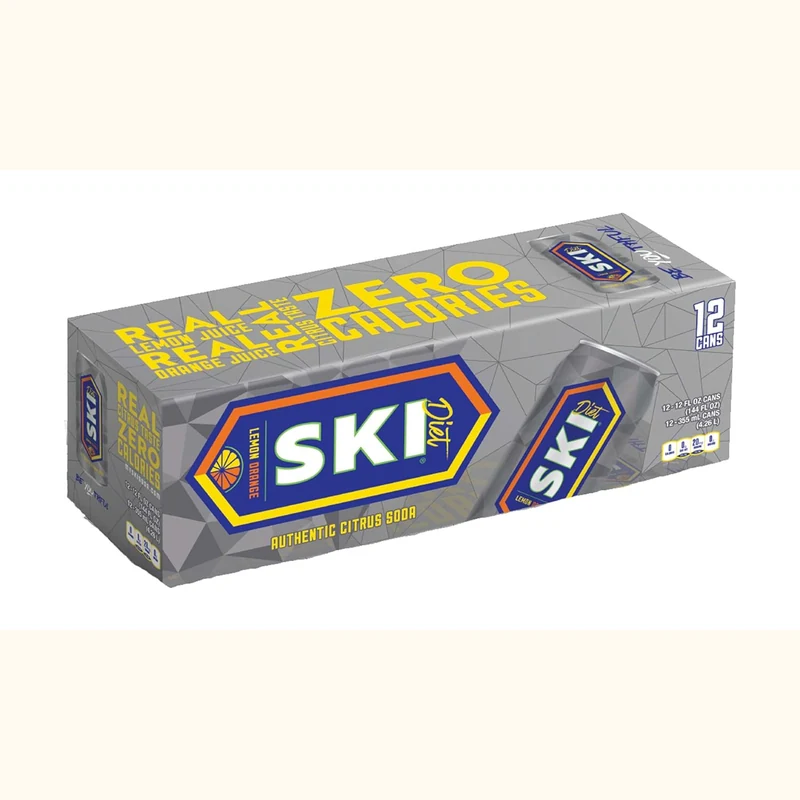
Twelve diet cans with the same lemon-orange character at a fraction of the calories — stock for mixed crowds at reunions.
Check Price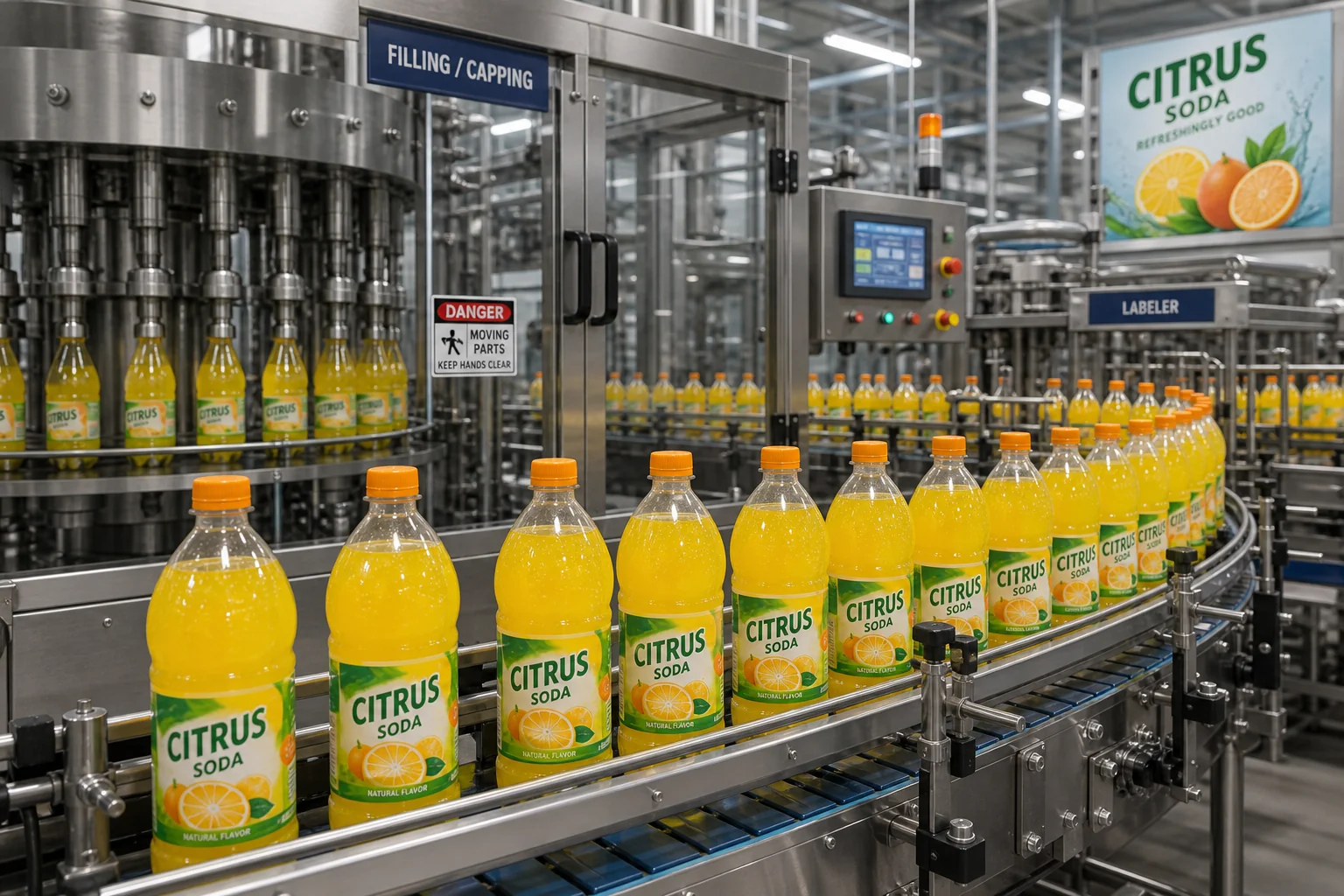
Brand story
Ski launched in 1956 when the Double Cola Company wanted a citrus counterweight to cola-heavy portfolios — sweet, bright, and caffeinated enough to feel like afternoon fuel. Tennessee bottling roots gave it hometown credibility before it spread through franchise partners.
Real orange and lemon juice set Ski apart from generic citrus flavoring. The lemon-orange swirl became shorthand for regional pride — tangier than Mountain Dew to many palates, syrupier to Dew loyalists, undeniably Southeastern either way.
Modern Ski spans original cans, 20 oz PET, InfraRED cherry, diet and caffeine-free branches, and returnable glass with cane sugar in deposit markets. The variety is small compared to national giants, but each format solves a real cooler problem.
Read where Ski is made, compare caffeine loads, and browse owner reviews before your next case run.
Orange and lemon on the label — not just aroma.
Original pours with a real soft-drink kick.
Regional loyalty that outsells generic citrus at home.
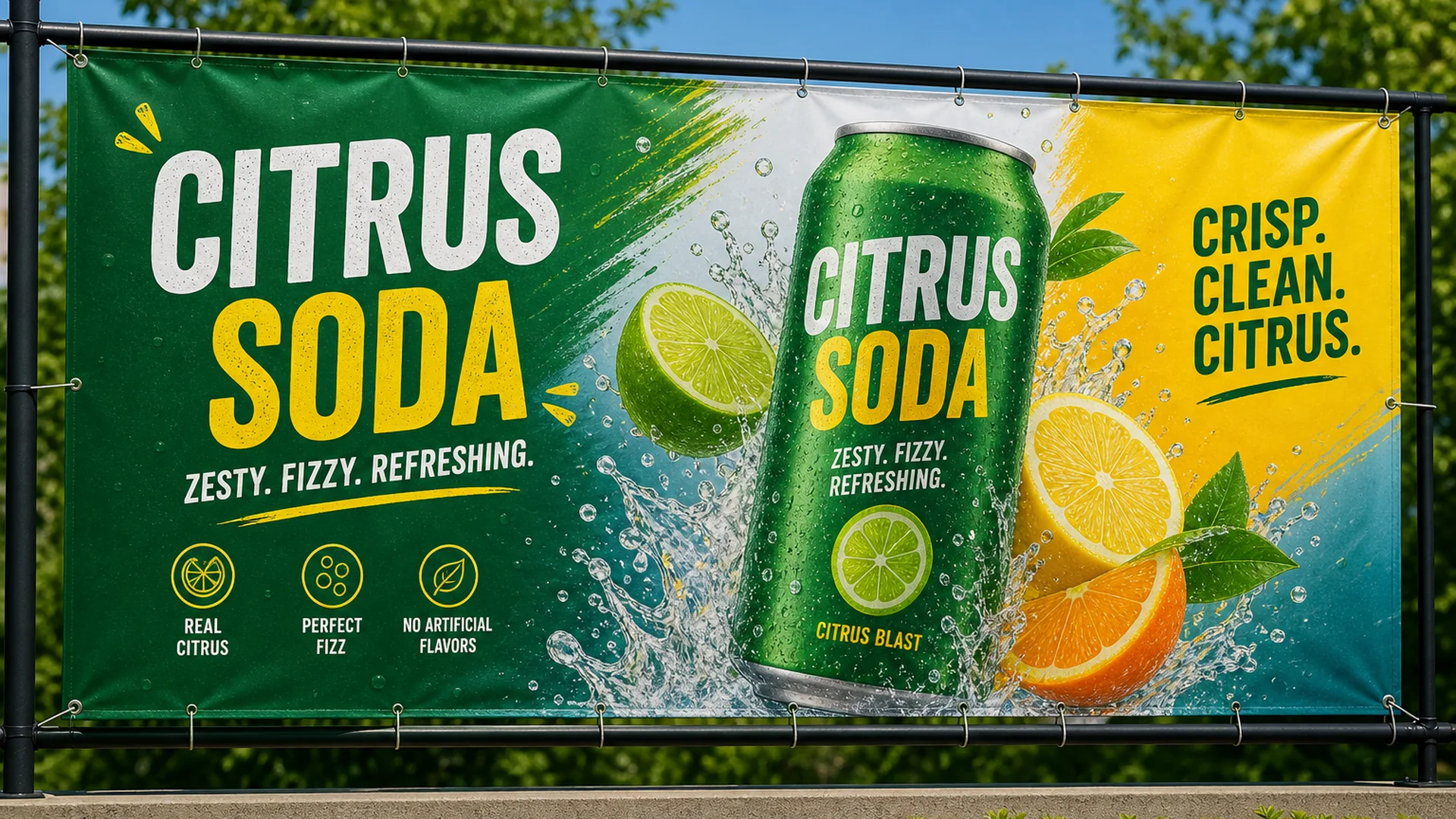
Mix original citrus, InfraRED cherry, and caffeine-free bottles — every guest finds a label that fits.
Compare flavorsCitrus character
Ski does not chase minimalist craft soda trends — it doubles down on lemon-orange swirl, caffeine, and memories tied to Tennessee bottling lines.
Juice-forward citrus means orchard aroma beneath syrup sweetness. Serve cold with salty snacks and the profile clicks — room temperature Ski reads heavy; that is chemistry, not a flaw in the brand.
Orange-lemon juice vs generic citrus flavoring.
Cans, 20 oz, glass returns, diet, caffeine-free.
Mountain Dew parallels without pretending they taste identical.
Southeast coolers where Ski outsells national citrus.
In the wild
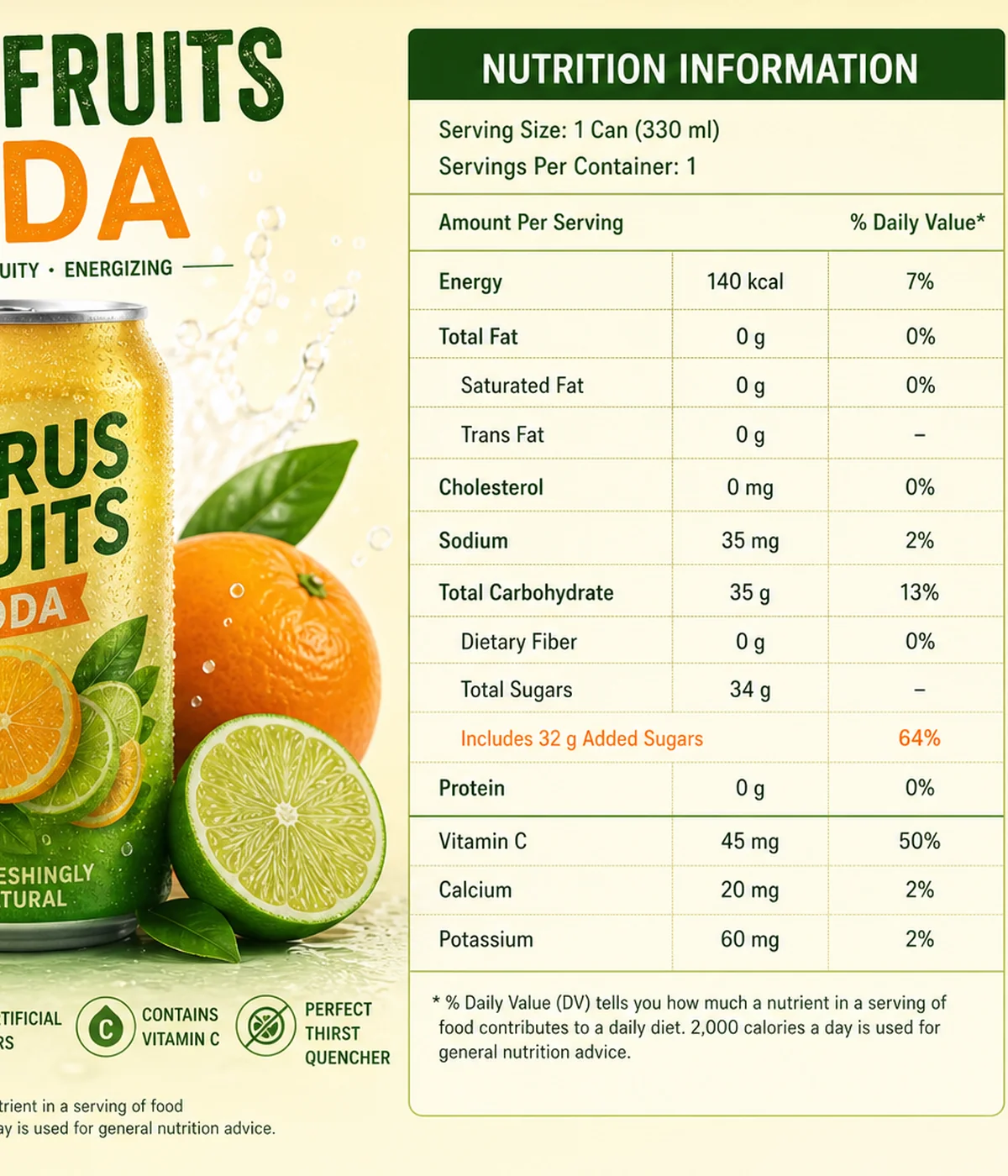
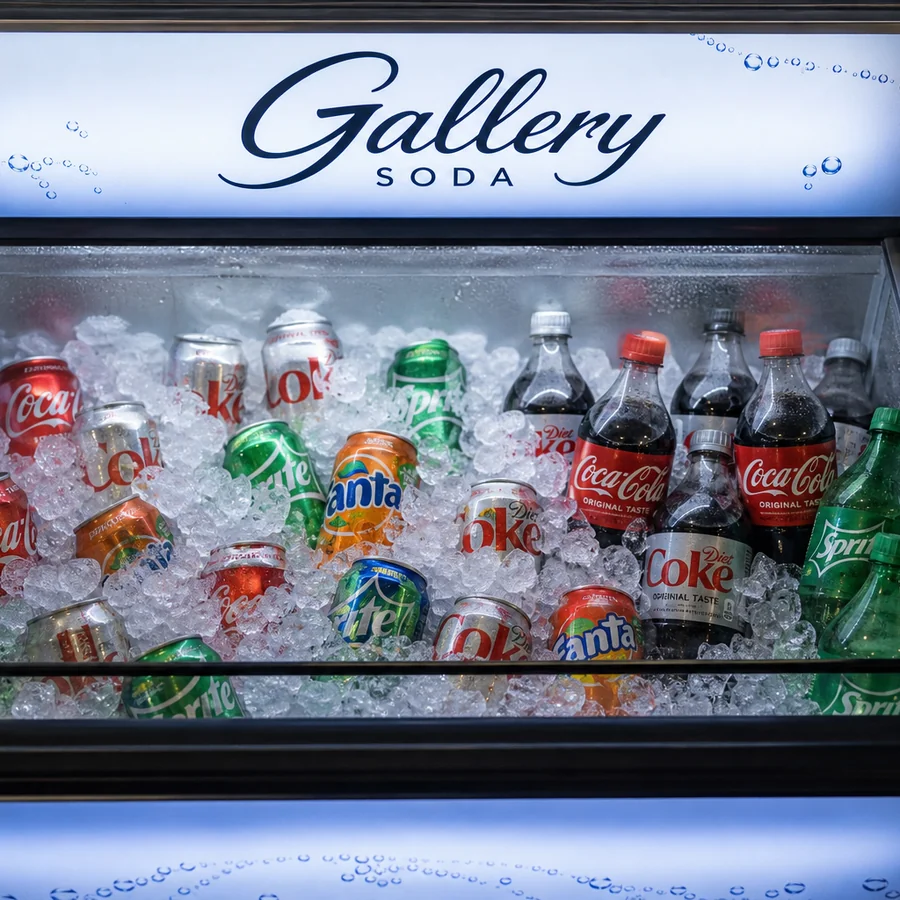
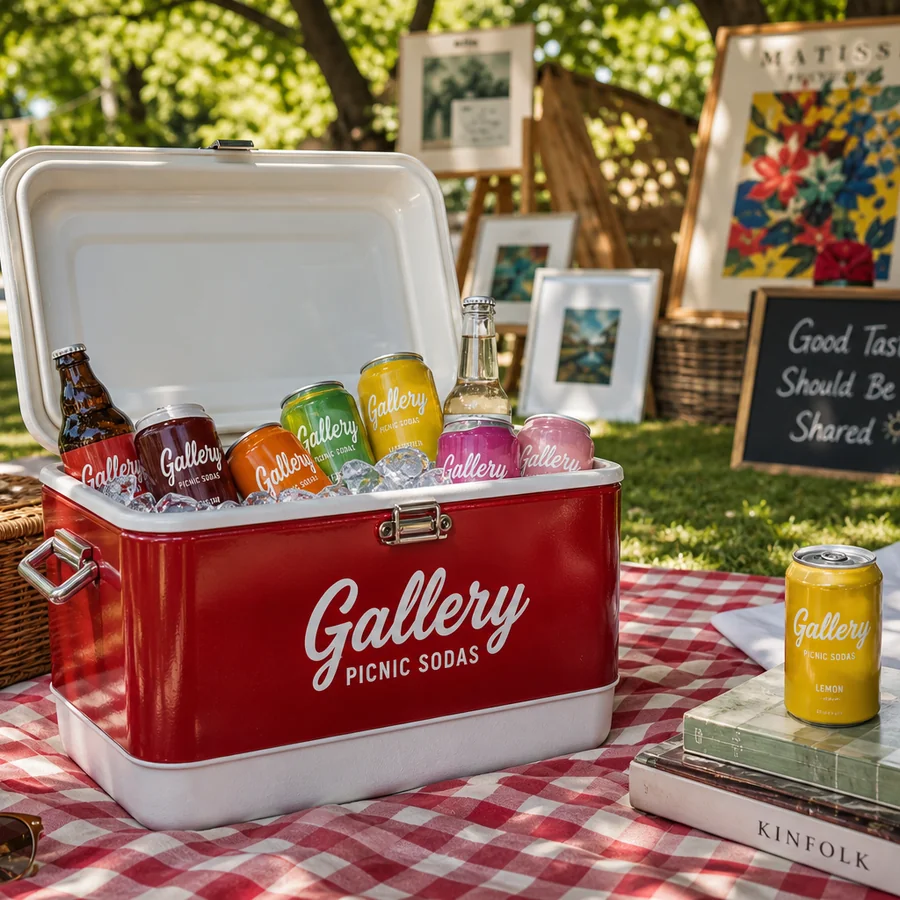
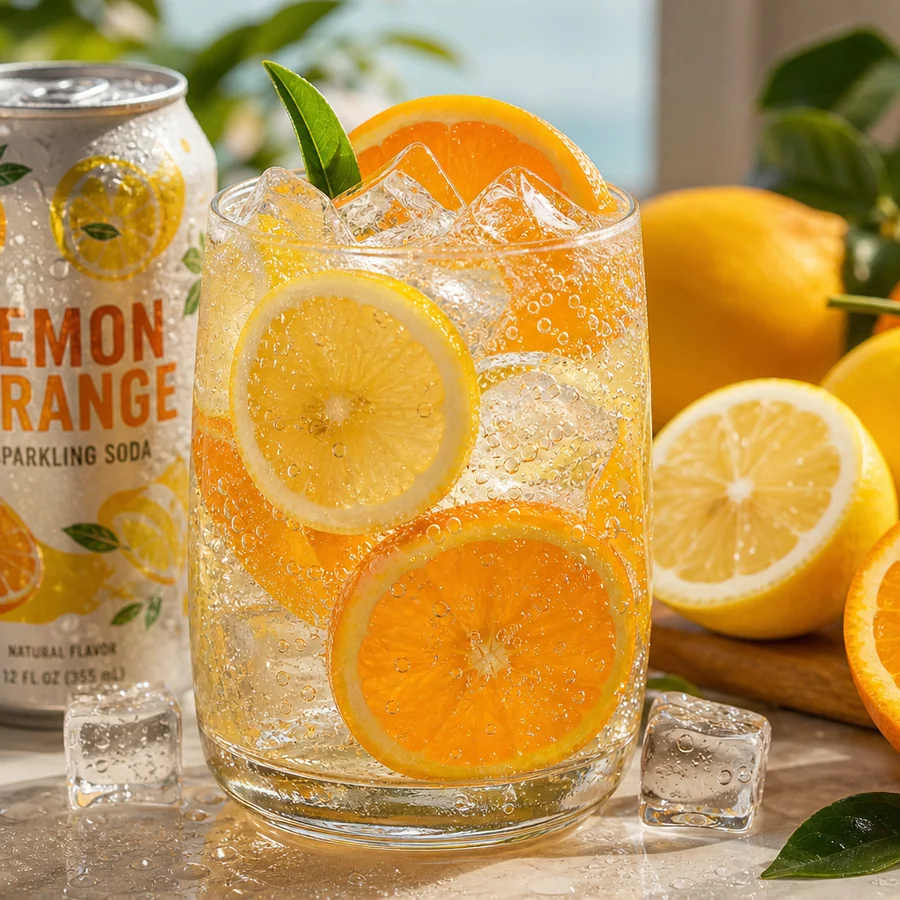
Ski shows up where Southeastern summers happen — coolers, docks, and reunion tables.
By the numbers
Ski is not national billboard famous — these figures reflect what regional drinkers actually quote at tailgates and in collector forums.
Reviews
Short quotes from Southeastern drinkers — read the full reviews page for InfraRED, diet, and glass bottle notes.
Serving guide
Temperature, pour angle, pairings, and format choice — four cards summarizing what Jordan Ellis tells first-time Ski buyers at regional tastings.
Ski opens up around 34–38°F. Buried cooler ice beats fridge-door storage — citrus oils smell flat when the bottle warms on a dashboard. For glass returns, rinse mugs cold before pouring to keep foam controlled.
Tilt the bottle or can at 45 degrees, straighten as liquid rises, and stop before the neck fizz overflows. Ski is highly carbonated — aggressive pours waste bubbles and sticky syrup on picnic tables.
Serve Ski with salted peanuts, barbecue chips, or vinegar slaw — the salt-sweet loop is why it dominates tailgates. Avoid pairing with dark chocolate desserts; citrus acidity fights bitter cocoa.
12 oz cans for portion control, 20 oz bottles for road trips, glass when you want cane-sugar mouthfeel. Diet 20 oz fits afternoon cravings; caffeine-free lines suit evening meals.
FAQ
Quick answers about taste, caffeine, distribution, and Mountain Dew comparisons.
Ski is a sweet, highly caffeinated citrus soda with real orange and lemon juice. Fans describe a lemon-orange swirl that reads tangier and brighter than many national citrus sodas — closer to a candied sunburst than a mild lemon-lime.
Original Ski carries roughly 69 mg of caffeine per 12 oz serving — enough to feel like a soft-drink energy boost without crossing into coffee territory. Caffeine-free and diet caffeine-free lines remove that stimulant entirely.
Ski remains a regional Southeast US brand with strongest distribution in Tennessee, Kentucky, and neighboring states. Convenience stores, independent grocers, and local bottlers stock it before national chains — see our near-me guide for hunting tips.
Ski has been part of the Double Cola Company family since 1956. Bottling happens in Tennessee with regional franchise partners — glass returnable bottles and cane-sugar runs still appear in loyal markets.
Both are citrus sodas with caffeine, but Ski leans sweeter with a sharper orange-lemon juice note. Mountain Dew fans trying Ski often call it tangier and more syrupy — a different nostalgia, not a clone.
Compare every format, read caffeine notes, and learn where Southeastern bottlers still fill glass returns.